

Moving Forward
A poetic duet by Franky Dyson and Nina Simperi


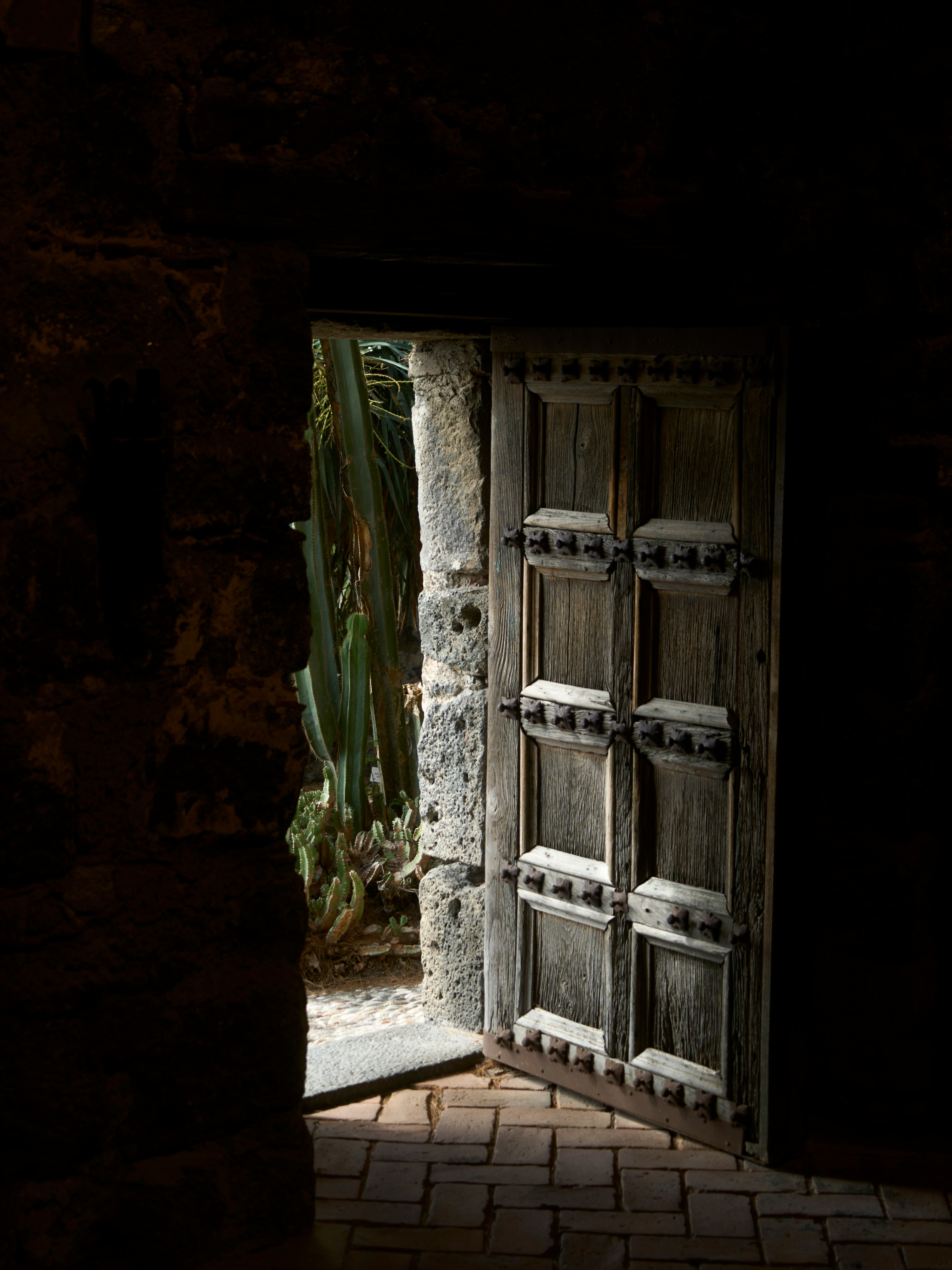
Moving Forward
by Franky Dyson and Nina Simperi
On a threshold.
Reluctant to close the door behind me.
Acutely aware of this moment,
as the weight of my life shifts
from the past to the future
in this eternal now.
I’m practicing not dragging my ghosts into rooms they were never meant to enter.
What’s heavy chooses the floor,
I lessen my grasp.
What's suffocated learns air.
Removing old clothes, they don’t fit, ragged.
Naked, spaciousness is regained. Washed clean.
A pause, with only my heartbeat and breath
present.
I make room by subtraction.
A chair pushed back.
A cup set down.
Even my fear is offered water
before I ask it to leave.
The conversations ran strong and deep.
A deep sigh in gratitude.
Counting heartbeats in the void.
Ready now.
I don’t strip all of who I am.
Some things I thank.
Some things I return.
Some things I summon.
I leave a light on,
As a courtesy
to whoever I was,
Or what might still be bleeding it’s way out.
Reflection: Moving Forward
This duet between Franky Dyson and Nina Simperi understands that transformation isn’t a dramatic shedding—it’s the small, deliberate gestures of making space. The poem opens on a threshold, that liminal place where breath catches, and immediately earns its right to speak about change by acknowledging the reluctance. Not resistance. Reluctance. That’s honest.
The second stanza is where the work begins, and it’s muscular without forcing: “I’m practicing not dragging my ghosts into rooms they were never meant to enter.” This is someone who knows their ghosts by name, knows their weight, and is learning discernment rather than exile. The shift from active grasping to allowing—“What’s heavy chooses the floor, / I lessen my grasp”—trusts physics and surrender in equal measure.
The nakedness of the third stanza isn’t vulnerable for performance. It’s practical. Old clothes don’t fit. Strip them. The spaciousness isn’t claimed; it’s regained. That matters. And the pause with only heartbeat and breath is the kind of silence that actually exists in a body, not the silence of poetry trying too hard to be quiet.
“I make room by subtraction” could be a thesis statement for grief work, for healing, for any real transformation. But watch how it doesn’t stay abstract—chair, cup, the offering of water even to fear before asking it to leave. This is someone who’s learned that hospitality applies even to what we’re releasing. Especially to what we’re releasing.
The duet voice shifts slightly in “The conversations ran strong and deep”—there’s a compression here, an intimacy with what’s being left behind that suggests these weren’t easy goodbyes. “A deep sigh in gratitude” acknowledges the paradox: relief and loss can share the same exhale.
The final stanza refuses the false narrative of complete reinvention. “I don’t strip all of who I am” is the poem’s most important rebellion against transformation rhetoric that demands we become unrecognizable to ourselves. Some things deserve thanks. Some need returning. Some require summoning. The light left on for whoever they were, for what might still be bleeding its way out—is an act of mercy toward the self that few poems about moving forward have the courage to include.
The duet works because both voices seem to understand that threshold space, that eternal now where weight shifts. There’s no rush here, no forcing. Just the practiced, imperfect work of learning what to carry and what to set down. The poem knows that moving forward doesn’t mean leaving everything behind. It means being deliberate about what comes with you.
About The Poetry Posse
A collective of poets writing in conversation. We respond to shared themes, creative constraints, and each other’s work—proving poetry is better when it’s collaborative, not solitary. Each series pushes us into new territory. Join the conversation.
 | A guest post by
|
 | A guest post by
|
Beautiful work by Franky and Nina, aching with remembrance, before shedding the past. There's a centering in the present, though it is a moment that stretches forever; an eternal now filled with expunging. This is a deep piece, bravo
I appreciate the vulnerability of this poem. It's about change and transformation but it's not shown as a huge celebration for everyone to see.
Lines like "I’m practicing not dragging my ghosts into rooms they were never meant to enter." and "Even my fear is offered water / before I ask it to leave." show tenderness and humility.
This changes is an ongoing process, not the destination.
Beautiful work.